


2026 July
Laugh Now, Panic Later
On 01, Jul 2026 | No Comments | In Weekly Chapter Posts | By Naima Jean-louis
Key Term: Rhetorical Methodologies
Subheading: Communication Research
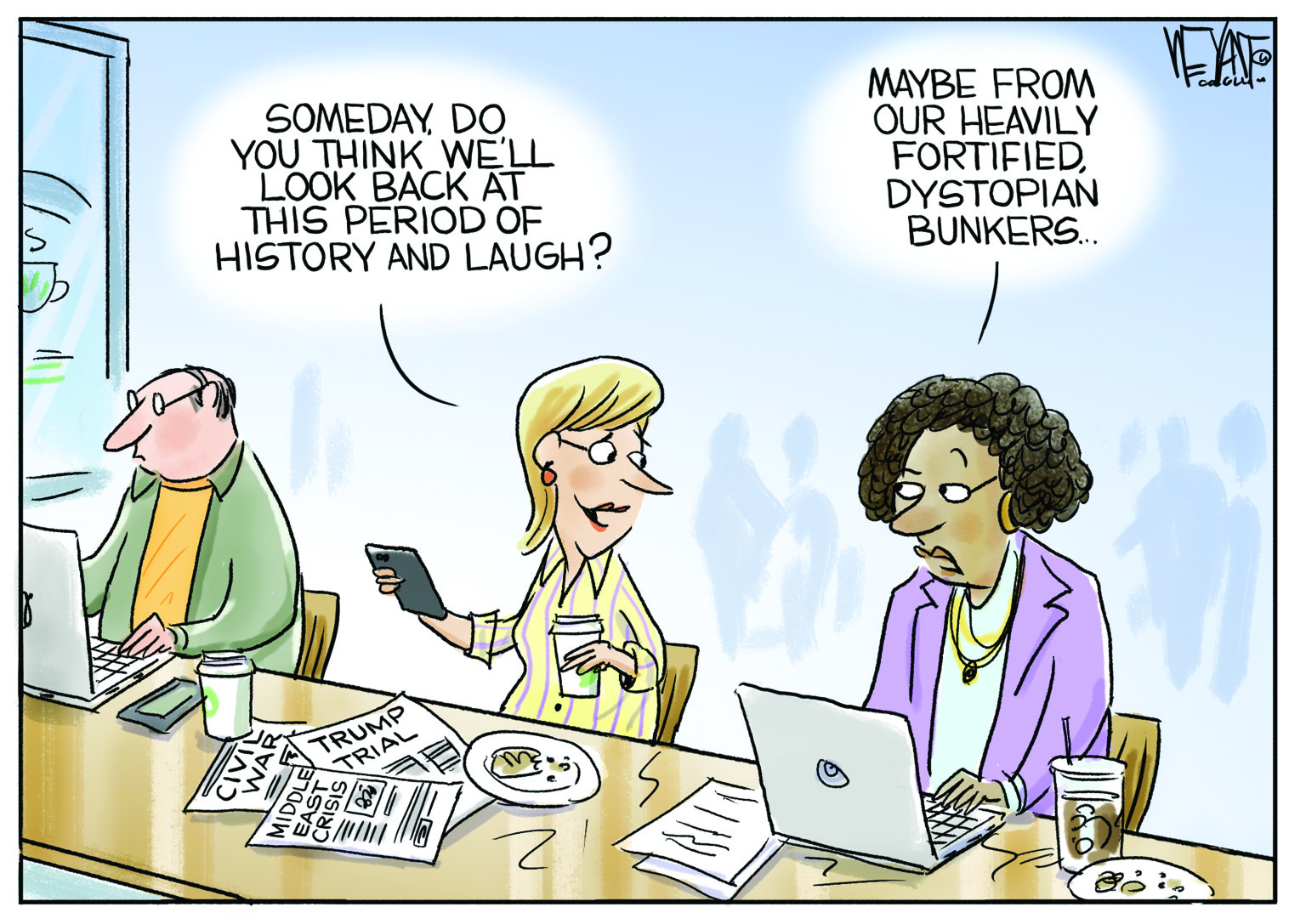
This cartoon relates to Chapter 6 because it demonstrates Rhetorical Methodologies, which are research methods used to analyze how messages persuade audiences through language, humor, symbols, and other forms of communication. In this cartoon, one coworker wonders if people in the future will look back at this period in history and laugh, while the other sarcastically replies, “Maybe from our fully fortified dystopian bunkers.” The humor and exaggeration are examples of satire, subtly encouraging others to reflect on current events and the uncertainty many people feel about the future. Rather than simply presenting facts about the world and where it headed , the cartoon communicates its message through satire. The chapter explains that rhetorical methodologies examine how communication influences the way people think, interpret issues, and respond to messages.
I often see political cartoons, memes, and social media posts that use humor to discuss serious issues. Even though they are meant to be funny, you can see in the comments or reactions from people that they often encourage people to think about what is happening in the world from a different perspective. I have noticed through different audiences that satire can make complex topics easier to understand while also encouraging discussion about important issues. This chapter reminded me that communication is not only about sharing information but it can also about persuading audiences and shaping how people view the world.
When the Costs Outweigh the Benefits
On 01, Jul 2026 | No Comments | In Weekly Chapter Posts | By Naima Jean-louis
Key Term: Social Exchange Theory
Subheading: Communication Theory
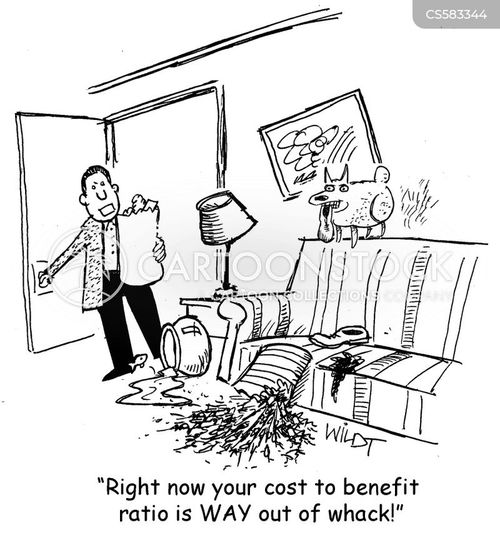
I chose this cartoon for Chapter 5 because it demonstrates the concept of Social Exchange Theory in a relatable way, chapter 5 explains that people evaluate relationships by comparing the rewards they receive with the costs they experience. In the cartoon, a dog has destroyed the living room, and its owner jokes that the dog’s “cost to benefit ratio is way out of whack.” While the cartoon is comedic, it reflects the idea that people often think about whether the positives of a relationship outweigh the negatives. Individuals are more likely to continue relationships when they believe the rewards, such as companionship, trust, or support, are greater than the costs, such as stress, conflict, or frustration.
In life I feel that all healthy relationships require balance, whether it is with friends, family, coworkers or even pets, relationships work best when both people contribute and support one another. I think even now there have been times when I felt like I was putting in more effort than the other person, after awhile it makes you start to think about whether the relationship was balanced and beneficial in a way to both sides. At the same time, there are relationships where the support, trust, and shared experiences make any challenges worthwhile.

Except where otherwise noted, content on this site is licensed under a Creative Commons Attribution-NonCommercial-ShareAlike 4.0 International license.


Recent Comments